Gold Standard Announces Framework For High-Integrity Engineered Carbon Removals
Gold Standard Announces Framework For High-Integrity Engineered Carbon Removals
The UN’s Gold Standard has just released its new Engineered Removals Activity Requirements, a landmark framework designed to guide high-integrity engineered carbon dioxide removal (CDR) projects towards certification. This is a crucial step for accelerating solutions essential to achieving a 1.5°C pathway.
This comprehensive framework applies scientific rigour and sustainable development principles to the fast-growing engineered CDR space, building on Gold Standard's two decades of certifying CDR solutions.
Key highlights for corporates, developers, and climate professionals:
- Focus on Engineered Solutions: The framework applies to activities that rely on technology or accelerate natural processes to remove CO2 from the atmosphere and durably store it.
- Diverse Eligible Activities:
- Holistic types include Enhanced Weathering, Enhanced Mineralization, and Ocean Alkalinity Enhancement.
- Carbon capture activities like Direct Air Capture (DAC), Direct Ocean Capture (DOC), and CO2 capture from sustainably sourced biomass (including industrial processing like combustion, anaerobic digestion, fermentation, gasification, pyrolysis) are eligible when combined with appropriate storage.
- Storage options include geological storage (e.g., injecting CO2 or bio-oil) and storage in durable products/materials like stable carbonate minerals and biochar.
- Exclusions for Clarity: Importantly, the scope does not cover emissions reductions (such as CCS from fossil sources), nature-based carbon storage (e.g., afforestation, reforestation), ocean fertilization, or enhanced hydrocarbon recovery.
- Upholding Integrity & Trust: The framework defines core requirements for project certification, including:
- Robust Reversal Risk Mitigation: Comprehensive assessment, mitigation measures, and monitoring plans are mandated to address potential carbon reversals. An insurance policy or comparable guarantee product is required to ensure continued implementation in case of reversals.
- Mandatory Buffer Contributions: Projects must contribute a portion of their Gold Standard verified emission reductions/removals (GS-VERs) to a Buffer Pool upon issuance, proportionate to the activity's reversal risk.
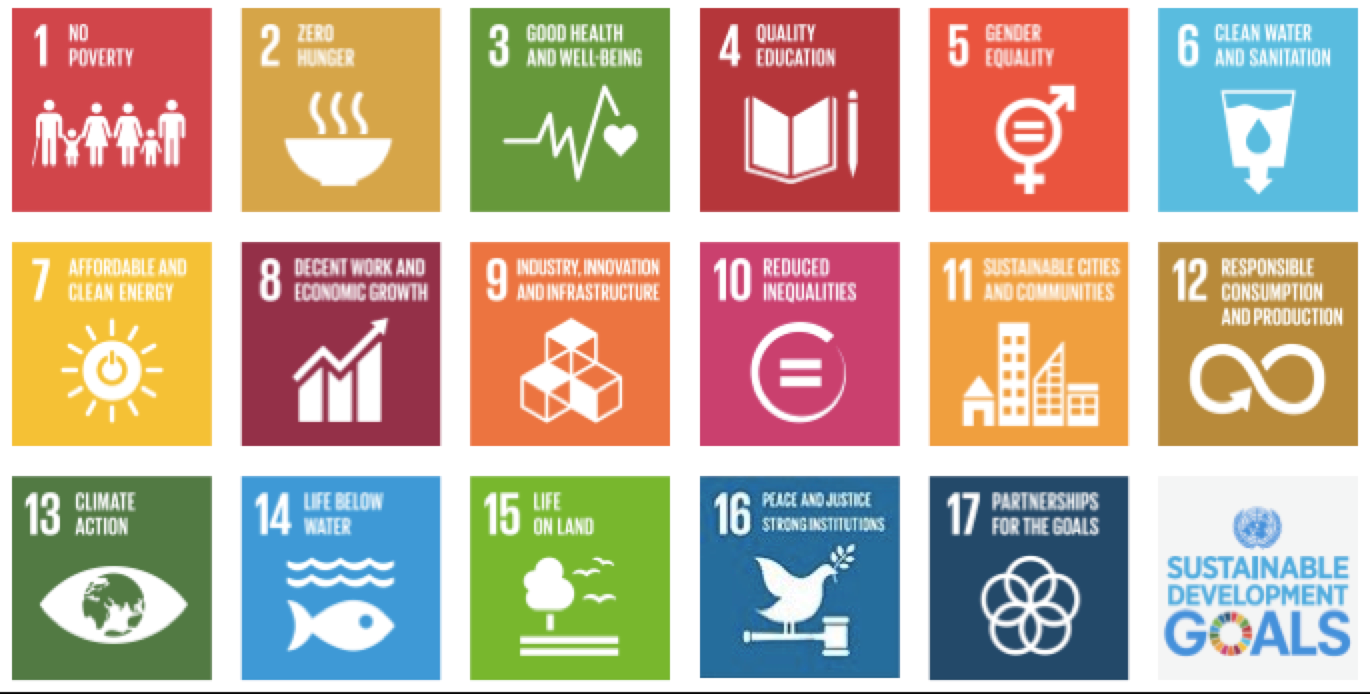
- Sustainable Development Safeguards: Every project must contribute to SDG 13 - Climate Action and at least two other Sustainable Development Goals. Projects are strongly encouraged to maximize their sustainable development footprint, with a specific emphasis on social equity-focused (1, 5, 10) and environmental co-benefit focused (6, 14, 15) SDGs.
- Rigorous Measurement: A mandatory, independently verified Life Cycle Assessment (LCA) covering the full "cradle-to-grave" project lifecycle is required to quantify all significant GHG emissions and major resource inputs.
- Global Alignment: These requirements align with major international efforts, including the EU Carbon Removal Certification Framework, ICAO CORSIA, and Paris Agreement Article 6.4.
This is an exciting development for the voluntary carbon market, providing additional guidance for high-quality engineered removals. At CarbonCompared.com information on high-quality carbon credits can be easily compared free of charge allowing you to find the best project developer for your needs.
Read the full "Engineered Removals Activity Requirements" document here to dive deeper into the specifics of the framework:
https://globalgoals.goldstandard.org/205_ar_engineered-removals/